Delhi University Mandates Biometric Attendance, Warns Of Action For Latecomers

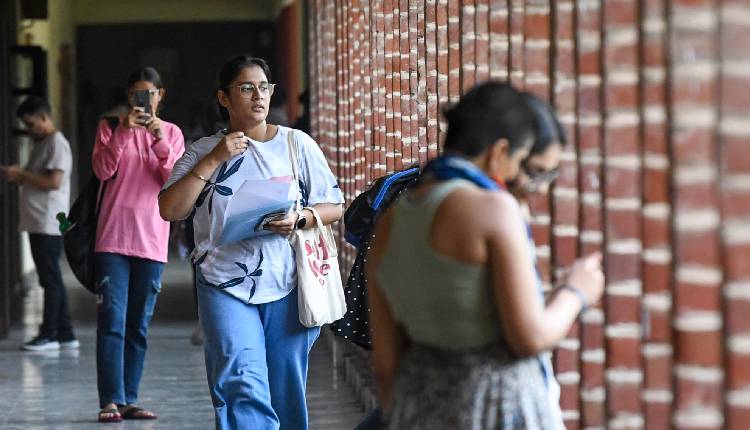
New Delhi: Delhi University on Sunday made biometric attendance mandatory for all its employees and warned of strict action in cases of late arrival, as part of a renewed push to enforce discipline and improve administrative efficiency.
In a detailed administrative order issued, the university has directed all staff members to mark their attendance through an Aadhaar-based biometric system.
The official working hours have been fixed from 9 a.m. to 5:30 p.m., comprising a total of 8 hours and 30 minutes, including a 30-minute lunch break.
Employees have been advised to ideally take their lunch between 1 and 1:30 p.m. to ensure smooth workflow across departments.
The university administration said the move is aimed at strengthening punctuality and ensuring better productivity within the institution.
It has emphasised that strict adherence to the prescribed timings will be mandatory for all employees without exception.
The order also takes into account concerns raised by several departments seeking limited flexibility in reporting time due to factors such as traffic congestion and public transport delays.
Considering these representations, the university has allowed a grace window up to 9:30 a.m., but with conditions.
Employees marking attendance between 9:10 and 9:30 a.m. will be required to compensate for the delay by working additional hours on the same day to complete the mandated duty period.
However, those reporting after 9:30 a.m. will face stricter consequences, including deduction of half-day or full-day leave from their leave balance.
The university has made it clear that no further relaxation will be permitted in attendance rules.
It has directed all deans, heads of departments, librarians and other officials to ensure strict implementation of the order and maintain smooth functioning of administrative work.
The move signals a stricter enforcement of attendance norms at Delhi University, with a clear message that punctuality will be closely monitored and deviations will attract penalties.
(IANS)