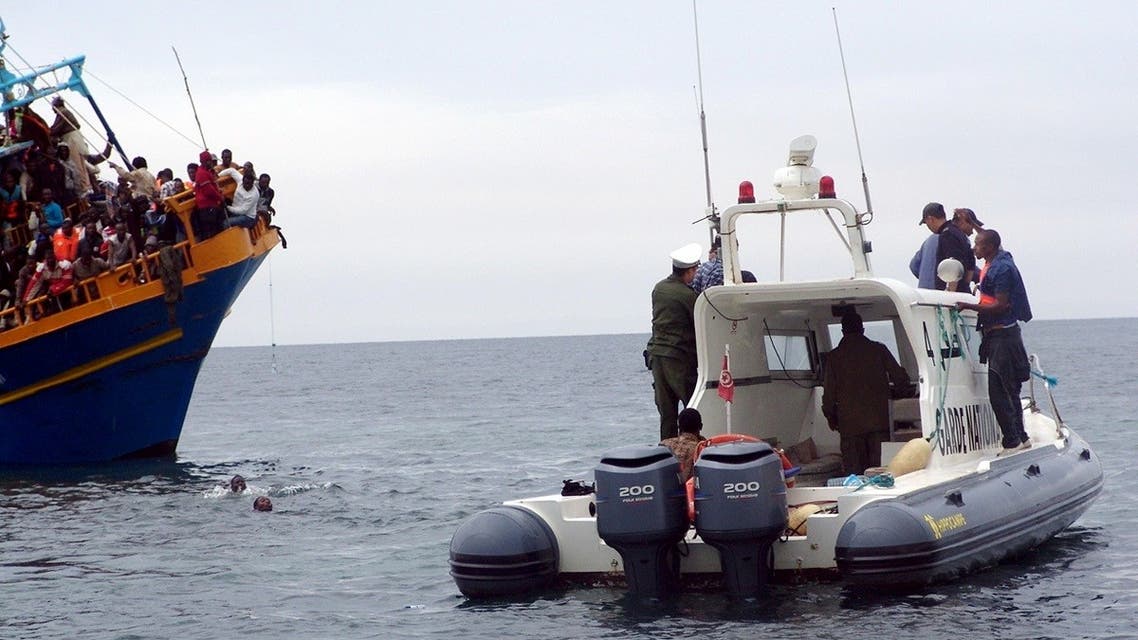

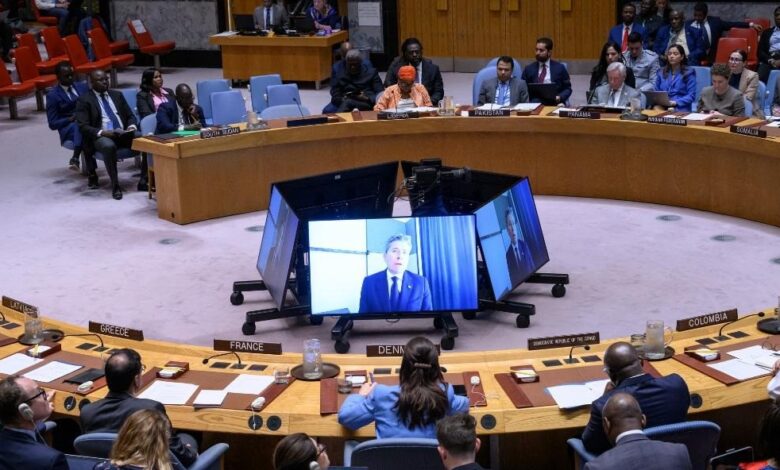
United Nations: UN Under-Secretary-General for Humanitarian Affairs and Emergency Relief Coordinator Tom Fletcher warned of famine in South Sudan.
“The world’s youngest nation stands at a dangerous crossroads. Conflict up. Displacement up. Hunger up. Disease up. Attacks on aid workers up,” Fletcher told the Security Council in a briefing on the situation in South Sudan.
Two-thirds of the population in the country needs humanitarian support this year, yet the world body’s humanitarian plan for South Sudan, which requires $1.46 billion, is only 22 per cent funded, he said.
“I therefore fear my next briefing to you on South Sudan will speak of famine,” he told the Security Council via a video link.
More than 7.5 million people will need food assistance this year. All of this is unfolding as floods are expected to continue, cutting communities off and hitting livelihoods, he said.
Hunger across South Sudan is tightening its grip. Emergency levels of food insecurity are expected for some populations across all of South Sudan’s 10 states during the lean season from now through July, he warned.
Since late December, renewed fighting in Jonglei state has forced more than 250,000 people to flee across multiple states, another 110,000 into Ethiopia, said Fletcher.
According to the World Health Organization, 1.35 million people across Jonglei state have lost access to health care after 26 facilities were destroyed or forced to close, he said.
The situation in neighbouring Upper Nile state, in the northeast corner, is just as alarming, he said, adding that fighting, access restrictions, and interference with humanitarian operations are blocking aid.
The war in Sudan, with the Kordofan region just across the border, is pushing more people into South Sudan — with 439,000 Sudanese refugees and 917,000 South Sudanese returnees, said Fletcher.
To prevent South Sudan from sliding toward full-scale famine and collapse, Fletcher called on the Security Council to take three “decisive and immediate actions.”
First, press for rapid, unhindered humanitarian access, including the immediate removal of red tape, checkpoints, high fees, and the guarantee of predictable, sustained air access. Second, swiftly step up flexible funds, especially through this lean season. Third, use the council’s influence on the parties to demand full respect for international humanitarian law and the protection of civilians and infrastructure, Xinhua news agency reported.
Fletcher also asked for support for renewed political efforts to strengthen adherence to ceasefire agreements and move toward implementation of the Revitalized Peace Agreement, noting that only peace can end this crisis.
(IANS)