Credibility Concerns Mount After Pakistan-Mediated Talks Between US And Iran Fail: Report

Islamabad: Pakistan may continue to position itself as a bridge between Washington and Tehran, but such a role cannot be manufactured through publicity or driven by a desperate search for global relevance. The repeated collapse of the Islamabad talks is therefore not just a missed “diplomatic opportunity” but a serious credibility setback, a report said on Monday.
According to a report in ‘Stringer Asia’, the second collapse of the much-hyped “Islamabad talks” exposes a deeper reality: “what was projected as a serious diplomatic initiative increasingly resembles a stage-managed spectacle driven more by optics than substance.”
“From the outset, Pakistan appeared eager to position itself as a central broker between the United States and Iran. Yet, for the second time, the process has faltered before it could even begin. The reported departure of Iran’s foreign minister from Islamabad—before talks could kick off—signals not just logistical failure but a collapse of trust. That Donald Trump subsequently halted the travel of envoys like Jared Kushner and Steve Witkoff underscores how little confidence remains in the process Pakistan tried to orchestrate,” the report detailed.
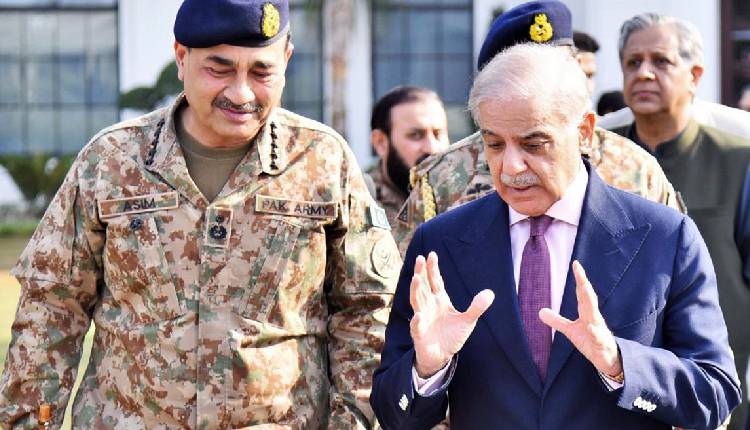
It stated that Pakistani Army Chief Asim Munir’s recent visit to Muscat seeking Omani support only reinforces the perception that Islamabad has lost control of the very initiative it aimed to lead.
Iran’s preference for Oman as a neutral venue is notable – reflecting Muscat’s longstanding role as a “quiet, credible mediator” in regional diplomacy – unlike Pakistan’s “highly publicised and chaotic approach”.
The report noted that the central issue is credibility, with Iranian distrust appearing to stem from suspicions that Pakistan has not acted as a neutral intermediary.
“Allegations that sensitive information was leaked — or worse, shared with Washington — strike at the core of diplomatic integrity. Whether fully accurate or not, such perceptions are enough to derail any peace process. Mediation depends not just on neutrality but also on the unwavering belief in that neutrality by all parties involved. Pakistan, at least in this instance, seems to have failed that test,” it mentioned.
“Compounding this is the perception that the ‘talks’ themselves may have served as a geopolitical smokescreen. From Tehran’s perspective, the process risks looking less like genuine diplomacy and more like a delaying tactic—one that allows the United States to recalibrate its regional posture while Iran remains entangled in a performative negotiation cycle. If that suspicion takes hold, no amount of diplomatic choreography in Islamabad can salvage the process,” it further stated.
The report stressed that criticism of Pakistan’s role as mediator extends beyond foreign policy behaviour. It added that “the use of the peace process as a backdrop for domestic control”, accompanied by lockdown of Islamabad, suppression of dissent, and amplification of supportive narratives at home, suggests that the initiative may have been as much about internal optics as external diplomacy.
Highlighting Islamabad’s failed initiative, the report said, “This intertwining of domestic political needs with high-stakes international mediation is a risky strategy, and in this case, it appears to have backfired.”
(IANS)