Why MDR On Select UPI Payments Is Being Viewed As A Sustainable Revenue Model

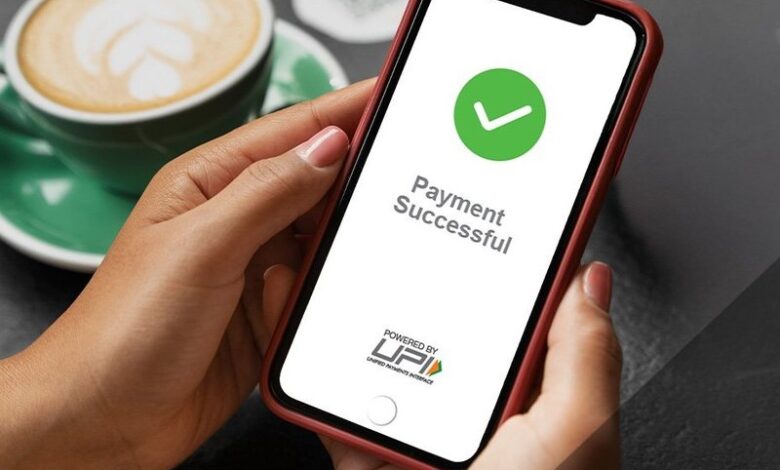
New Delhi: The introduction of Merchant Discount Rate (MDR) on select high-value UPI merchant transactions is being viewed by stakeholders as a step towards creating a sustainable revenue model for India’s rapidly expanding digital payments ecosystem, while keeping the vast majority of transactions free for users and small merchants.
The rationale behind the framework is that MDR is not a tax, cess or surcharge. The charge remains within the payments ecosystem and is distributed among banks, payment service providers and technology platforms involved in processing transactions. No portion of the MDR is transferred to the government’s funds.
Under the proposed structure, all person-to-person UPI transactions will continue to remain free, irrespective of value. Merchant payments of up to Rs 2,000 will also continue to attract zero MDR, as will transactions undertaken by small merchants receiving up to Rs 1 lakh per month through UPI QR codes. RuPay debit card transactions will similarly remain exempt from MDR.
As nearly 96 per cent of UPI merchant transactions are below Rs 2,000, most users and merchants are expected to remain unaffected by the new framework.
Only specified person-to-merchant transactions above Rs 2,000 will attract MDR. The standard rate has been set at 0.4 per cent, with a maximum cap of Rs 300 on transactions of Rs 75,000 and above.
Essential sectors such as railways, telecom, insurance, fuel and agricultural inputs will face a flat charge of Rs 5 for transactions above the threshold.
Supporters of the framework argue that the charge is comparable to merchant fees already levied across various payment systems, including credit cards and debit cards.
They contend that MDR represents the cost of processing a digital payment rather than a levy on the purchase itself. For instance, a Rs 5,000 UPI merchant payment would attract an MDR of Rs 20, significantly lower than the charges often associated with credit card transactions of a similar value.
A key argument in favour of MDR is that it provides a revenue stream to support the infrastructure behind UPI. As transaction volumes continue to surge, payment networks require continuous investments in technology infrastructure, servers, cybersecurity, fraud detection systems and customer support services.
The framework also seeks to support the expansion of digital payments into rural and semi-urban regions. With more than 55 crore UPI users already on the platform, stakeholders believe additional investments will be required to deepen adoption among remaining users and merchants while improving reliability and service quality.
Industry participants also argue that the revenue generated through MDR can help fund the development of emerging products and services, including Credit on UPI, feature-phone-based payment solutions such as UPI 123Pay and other innovations aimed at broadening digital financial inclusion.
Under the proposed distribution mechanism, 40 per cent of the MDR collected from eligible transactions would go to the issuing bank, 30 per cent to the merchant acquirer, 20 per cent to the UPI application provider and 10 per cent to the payer’s PSP bank. This structure is intended to compensate participants responsible for enabling and maintaining the payment ecosystem.
Supporters further note that merchant acceptance charges are a common feature of digital payment systems globally. Similar transaction-based fee structures exist in several countries, including Australia, Brazil, China, Indonesia, Singapore, South Korea and the United States.
(IANS)