Eco-Friendly Cars Account For Half Of New Car Registrations In S. Korea In H1

Seoul: Eco-friendly vehicles accounted for half of new car registrations in South Korea in the first half of this year, driven by a sharp increase in electric vehicle (EV) sales, an auto market tracker said on Sunday.
It marked the first time that eco-friendly vehicles made up more than half of new car registrations during the January-June period, according to the CarIsYou Data Research Center, which cited government data, reports Yonhap news agency.
In the first six months of the year, registrations of eco-friendly vehicles — including battery electric, gasoline hybrid and hydrogen fuel-cell models — totalled 429,163 units, accounting for 50.4 percent of the 851,833 newly registered vehicles, the data showed.
The share of eco-friendly vehicles has risen steadily, from 9.1 percent in 2020 to 25.5 percent in 2023 and 38.5 percent in 2025.
Meanwhile, the share of gasoline-powered vehicles fell to 39 percent in the first half, dropping below the 40 percent mark for the first time since 2016, when the figure stood at 39.9 percent.
Robust EV sales drove the overall increase in eco-friendly vehicle registrations.
EV registrations surged 112.6 percent from a year earlier to 198,969 units in the first half, making EVs the only major power train category to post on-year growth.
“An expanded lineup of new models and the early disbursement of government EV subsidies have helped eco-friendly vehicles become mainstream in the domestic auto market,” an industry official said.
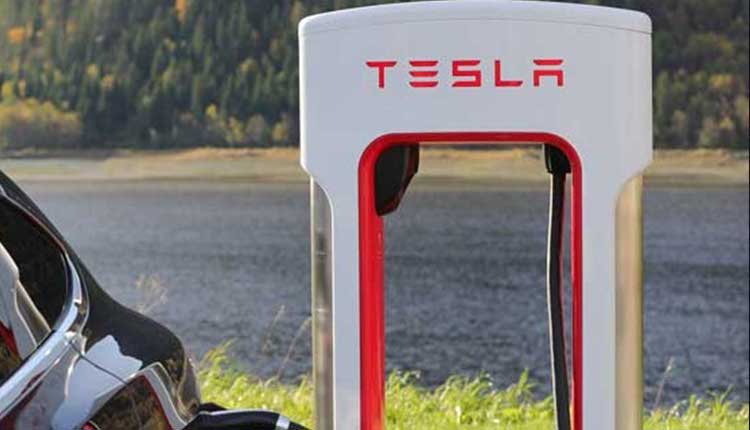
US electric vehicle (EV) maker Tesla was the best-selling imported passenger car brand in South Korea in the first half of this year, capturing 30 per cent of the market.
According to the Korea Automobile Importers & Distributors Association (KAIDA), 184,032 imported passenger cars were newly registered in the January-June period, up 33.2 percent from a year earlier.
Tesla topped the list with 56,139 units, accounting for 30.5 percent of total imports.
Its market share surged from 13.9 percent a year earlier, while sales soared 192 percent, allowing the U.S. EV maker to overtake German luxury brands.
(IANS)