
Tehran: Iran has outlined a new diplomatic proposal aimed at ending its ongoing confrontation with the United States and Israel, as senior officials briefed foreign envoys in Tehran on Saturday, signalling a renewed push for negotiations while maintaining a firm security posture.
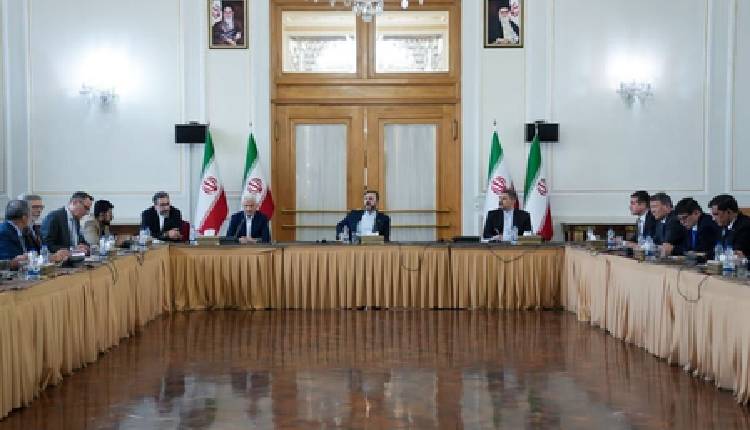
Deputy Foreign Minister for Legal and International Affairs Kazem Gharibabadi met ambassadors and representatives from several countries to explain Tehran’s latest initiative.
According to Iranian officials, the proposal has been conveyed through Pakistan, which is acting as a mediator in indirect talks between Tehran and Washington.
During the briefing, Gharibabadi emphasised that Iran continues to prioritise diplomacy grounded in national interests, but remains fully prepared to respond decisively to any military escalation.
He indicated that the proposal is intended to bring a “permanent end” to what Iran describes as imposed hostilities, while placing the onus on the United States to choose between dialogue and continued confrontation.
Iran’s position reflects a dual-track approach, keeping diplomatic channels open while underscoring its readiness to defend its sovereignty.
Officials reiterated longstanding mistrust of Washington, citing past breakdowns in negotiations and what Tehran views as inconsistent commitments during earlier diplomatic engagements.
The latest move follows a brief ceasefire announced on April 7, which temporarily reduced hostilities between Iran and US-backed forces in the region.
Subsequently, indirect talks were held in Islamabad on April 11 under Pakistan’s facilitation, though those discussions ended without a breakthrough.
Diplomatic activity has since intensified. Earlier this week, envoys from China and Russia met with Iranian officials to discuss the updated proposal, signaling broader international interest in de-escalation efforts. Both countries have previously called for restraint and a negotiated resolution to rising tensions in West Asia.
While details of the proposal have not been made public, analysts suggest it may include security assurances, phased de-escalation measures, and mechanisms to prevent further military incidents.
However, significant gaps remain between the parties, particularly on regional influence, sanctions, and security guarantees.
The coming days are expected to be crucial in determining whether the proposal gains traction or whether the current fragile calm gives way to renewed tensions.
–IANS