Digital Tools, Rehabilitation Project Enhance India’s Dam Safety And Ageing Resilience

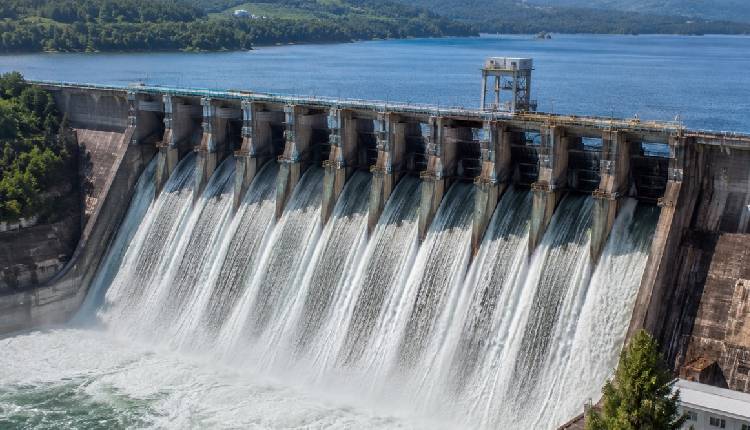
New Delhi: The Dam Rehabilitation and Improvement Project (DRIP), statutory oversight under the Dam Safety Act, 2021, and digital tools such as DHARMA are strengthening real-time monitoring, inspection and data-driven safety management of Indian dams, the government said on Friday.
The nation is shifting focus from dam expansion to safety, resilience and lifecycle management to deal with the increasing age of its extensive network of large dams and changing climatic conditions, an official statement said.
The DRIP is being implemented in phases to improve dam safety and operational performance.
The aforesaid act provides surveillance, inspection, operation, and maintenance of the specified dam for the prevention of dam failure-related disasters.
It also provides an institutional mechanism to ensure their safe functioning and for matters connected therewith or incidental thereto.
The government highlighted that India ranks third worldwide in large dams, with 6,628 specified dams, of which 6,545 are operational and 83 are under construction, and a combined gross water storage capacity of about 330 billion cubic metres.
About 26 per cent or 1,681 dams, among them are more than 50 years old, including 291 that are over 100 years old, the statement added.
Around 42 per cent of dams fall within the 25–50 years age bracket. India’s oldest, the Kallanai (Grand Anicut) in Tamil Nadu, has functioned for nearly 2,000 years, showcasing enduring engineering and maintenance.
Ageing infrastructure, sedimentation, changing hydrological patterns and increasing climate variability have highlighted the need for systematic rehabilitation and safety management.
Analysis of 439 reservoirs in India (CWC data) showed an average 19 per cent loss of gross storage capacity with an average reservoir age of 42 years.
(IANS)