Govt Committed To Building Cyber Secure Bharat: HM Shah On MHA, RBI Inking MoU To Combat Digital Fraud

New Delhi: In a significant step to combat incidents of cybercrime and digital fraud, the Indian Cyber Crime Coordination Centre (I4C), under the Ministry of Home Affairs and Reserve Bank Innovation Hub (RBIH), signed a Memorandum of Understanding (MoU) on Tuesday.
The MoU seeks to create an integrated system and strengthen collaboration in combating cyber-enabled financial fraud while curtailing mule accounts across the banking and digital payments ecosystem.
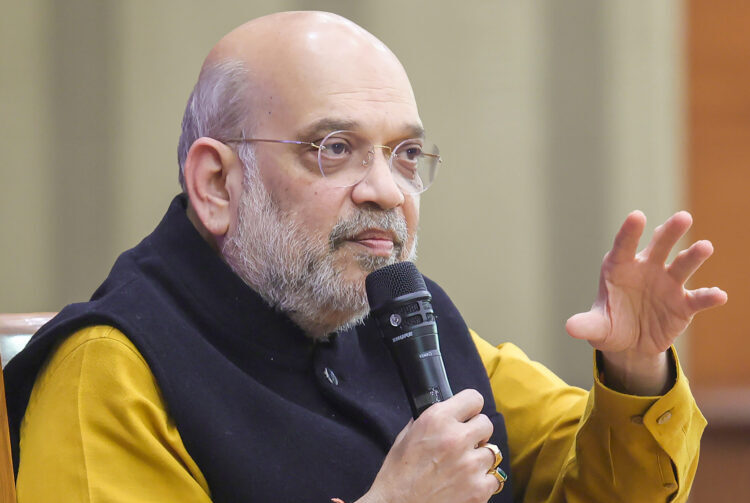
Union Home Minister Amit Shah took to X to affirm the government’s focus and commitment to building a cyber-secure Bharat.
“Modi govt is tirelessly working for cyber-secure Bharat. Mule accounts are a big hurdle in curbing cyber crimes. Today, the I4C under MHA signed an MoU with Reserve Bank Innovation Hub (RBIH) unleashing the power of Artificial Intelligence to combat cyber fraud,” he wrote in a post on X.
He further stated, “The move will swiftly detect and cull hidden mule accounts by feeding the data from the I4C’s Suspect Registry to the AI-driven fraud detection system and serve the citizens as their next-gen shield against cybercrime.”
The MoU aims to strengthen fraud-risk intelligence sharing, analytical support, and operational coordination to combat cyber-enabled financial fraud.
Under the arrangement, I4C and RBIH will collaborate for the sharing of mule account-related intelligence and suspect identifiers from I4C-MHA’s Suspect Registry to strengthen AI-driven fraud detection systems implemented across banks. The RBIH will utilise the datasets for training and enhancement of AI-driven fraud-risk assessment models.
As mule accounts remain one of the biggest hurdles in curbing cybercrime, the power of Artificial Intelligence (AI) will be unleashed to combat incidents of cyber fraud.
The move will swiftly detect and cull hidden mule accounts by feeding the data from the I4C’s Suspect Registry to the AI-driven fraud detection system. It will serve the citizens as their next-generation shield against cybercrime.
(IANS)