IIT-Bombay Student Death: Raj Thackeray Warns Against Diluting Core Issues With Caste Politics

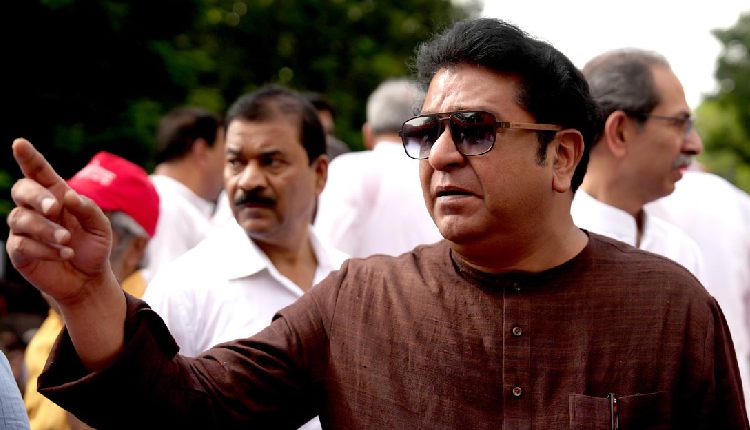
Mumbai: Maharashtra Navnirman Sena (MNS) chief Raj Thackeray, on Wednesday, while expressing profound sorrow over the tragic death of 20-year-old Sahil Wakode, criticised the growing tendency to frame every tragedy through the lens of caste and religion. He warned that such polarisation distracts from the deep-seated flaws in India’s education system.
Wakode, a second-year BTech student at the Indian Institute of Technology (IIT) Bombay, committed suicide on September 18.
Thackeray, in his long post on X, emphasised that while invigilators must uphold rules during exams, branding a deceased student as a wrongdoer before an official inquiry is complete is unfair. Equally, he noted, declaring faculty members guilty solely on the basis of unverified allegations undermines due process.
Pointing to a trend since 2000, Thackeray observed that caste consciousness has seeped into classrooms and workplaces across Maharashtra. He lamented that even premier institutions — once hailed by Jawaharlal Nehru as the “temples of modern India” — have become the centres of divisive caste narratives.
The MNS chief highlighted the immense, cutthroat pressure students face — from hyper-competitive entrance exams to gruelling academic workloads and dwindling campus placement guarantees. He argued that this environment of pervasive despair spans across engineering, commerce, arts, and medical fields.
Addressing the student community, Thackeray urged youth leaders and student movements not to allow genuine systemic reform efforts to be derailed by identity politics. He noted that political entities often deploy caste and religion as convenient tools to deflect accountability from structural policy failures.
“The issue is not about which specific government is in power. Over the past 30 to 40 years, in the pursuit of commercializing education, we have caused immense damage to the entire Indian education system; radical changes are needed to address this. Just as it seemed that the recent ‘Gen Z’ movement was marking the beginning of such a shift, this new incident has emerged. I urge the students to remember that your movement garnered nationwide support because it focused on finding solutions to systemic flaws. Your movement must continue along this same path. If it does, the government will be compelled to answer difficult questions and take concrete action,” said Thackeray.
He further noted, “Does the government intend to do so? If yes, that is excellent; if not, they always have the potent weapons of caste and religion at their disposal.
Thackeray argued that once the issues of caste and religion are introduced, it becomes easy to derail the conversation. “Do not get drawn into such distractions,” he advised.
Thackeray called for an urgent, structural overhaul in higher education rather than short-term political posturing. He urged youth movements to stay focused on demanding systemic accountability, mental health infrastructure, and fair academic practices from the government, ensuring that the fundamental struggle for educational reform is not lost to identity-based divisions.
(IANS)