
India Shifts From Scale To Resilience In Energy Sector After Strait Of Hormuz Disruption: Report

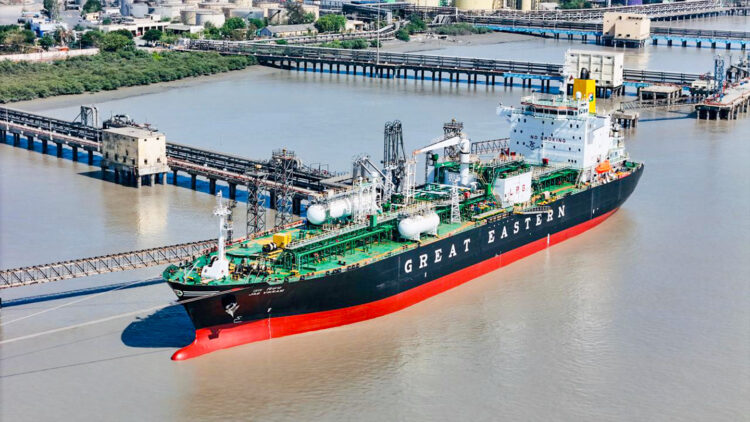
New Delhi: India’s energy security is shifting from scale to resilience as the country expands upstream access and diversifies supply portfolios in the wake of disruptions to the Strait of Hormuz, a report said on Tuesday.
The report from S&P Global Energy said the Strait of Hormuz closure had disrupted about 17 per cent of global LNG supply but India — the world’s fourth largest LNG buyer — limited the impact by sourcing cargoes from Oman, the United States, Nigeria and Angola, with imports down only about 5 per cent and 2 per cent year on year in April and May 2026 respectively.
“India is expected to retain some of this diversified LNG sourcing considerations to mitigate future disruptions, potentially influencing its long-term sourcing strategies,” said Johan Utama, Principal Research Analyst, S&P Global Energy.
The report highlighted that rerouting via the Red Sea and expanded ship to ship transfers east of Hormuz helped Middle East crude exports rebound to over 10 million barrels per day in June.
“The past months have underscored the adaptability of both producers and consumers. The industry’s ability to reroute supply, optimise logistics, and secure alternative barrels has helped mitigate what could have been a far more severe disruption to global energy markets,” said Benjamin Tang, Director and Global Head of Liquid Bulk, Commodities at Sea, S&P Global Energy.
Nick Sharma, Executive Director, Upstream Energy, S&P Global Energy said the current environment reinforces a clear directional shift for both global and Indian upstream sectors in near term.
Resilience is becoming the defining metric of value and access to stable resources, accelerated project timelines, and diversified supply portfolios are taking precedence over pure scale or cost optimisation, he said.
A recent report noted that India successfully navigated a turbulent quarter of geopolitical shocks, and US-Iran peace deal and oil trading near $70–$80 per barrel will help ease inflation, support the rupee, reduce the import bill, and benefit rate-sensitive and oil-consuming sectors.
(IANS)