ISI’s CCTV Spy Web Extended To Toll Plazas, Aimed At Tracking India’s Lifelines

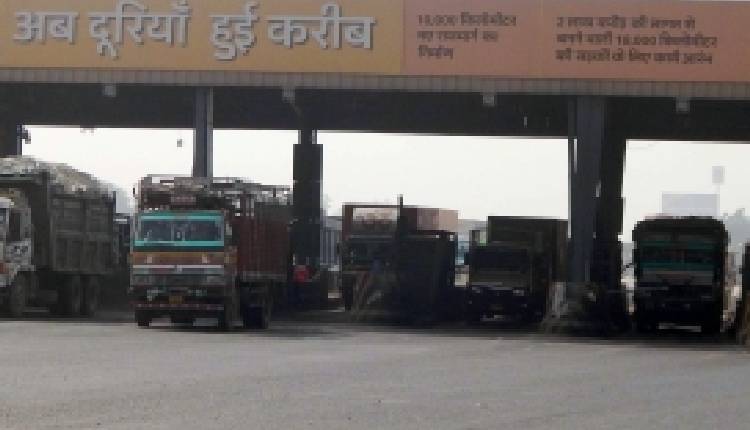
New Delhi: The ongoing investigations into the ISI’s CCTV camera espionage case have revealed that apart from railway stations and military installations, the accused persons were also told to keep a close watch on toll plazas. This shows the extent of data that the ISI sought to mine across the country.
The intention was to gather traffic and security data at toll plazas for various reasons. A terror attack at a toll plaza can wreak havoc and disrupt movement. The ISI could have been planning to strike containers and other essential goods vehicles that pass by toll plazas, officials say.
Further data from a toll plaza is crucial for operations by terrorists. Data relating to security arrangements and vehicle movements at a toll plaza, and that too at real time, helps terror groups and narcotic smugglers to move arms and ammunition as well as drugs, another official said. Toll plaza data also helps in planning ambushes, whereby vehicles are targeted.
Further, the data could also help plan a car bomb explosion, which can disrupt movement and cause loss of lives, an official added. There has been a clamour among terror groups to carry out car bomb explosions. The investigation into the Faridabad module case revealed that the accused persons had planned on carrying out a series of car bomb explosions in various parts of North India. After Jammu and Kashmir got wind of the module and began making seizures, one of the accused persons panicked and set off a car bomb near the Red Fort in Delhi.
Currently, there are over 1,000 operational toll plazas in India. All of them are equipped with Closed-Circuit Television Cameras. The plan was to install solar-powered CCTC cameras at key toll plazas and mine as much data as possible.
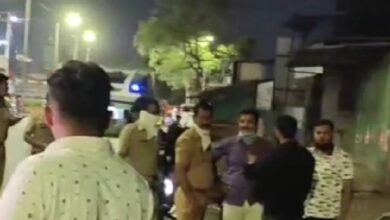
It was an investigation by the Ghaziabad police which led to the busting of this espionage module. It was found that the module was attempting to set up CCTV cameras at nearly 50 locations. These included railway stations, other crowded areas and military installations, the probe found.
The module had managed to install at least two cameras at Delhi Cantonment Railway Station and Sonipat Railway Station. The two cameras had been transmitting live footage for nearly 15 days before they were removed on March 18.
An Intelligence Bureau official said that the ISI has been reworking its strategy since the Indian armed forces undertook Operation Sindoor and dismantled terror networks both in Pakistan and Pakistan- occupied Kashmir (PoK).
The operation carried out to avenge the Pahalgam attack in which innocent tourists were killed also led to the collapse of the ISI’s traditional Intelligence capabilities within India. Following the operation, the Indian agencies carried out widespread investigations that led to the busting of several espionage modules within India. One of the modules also involved social media influencers such as Jyoti Malhotra. This module was set up not just to gather information about sensitive locations, but also to project Pakistan in a positive light.
With one module after another collapsing, the ISI decided to set up this low-cost intelligence-gathering module to stream live footage of sensitive, important, and crowded locations. Operatives were paid anything between Rs 8,000 and Rs 10,000 to set up a CCTV camera. The busting of this module has also led to a major audit regarding the procurements of CCTVs, especially those made in China.
(IANS)